
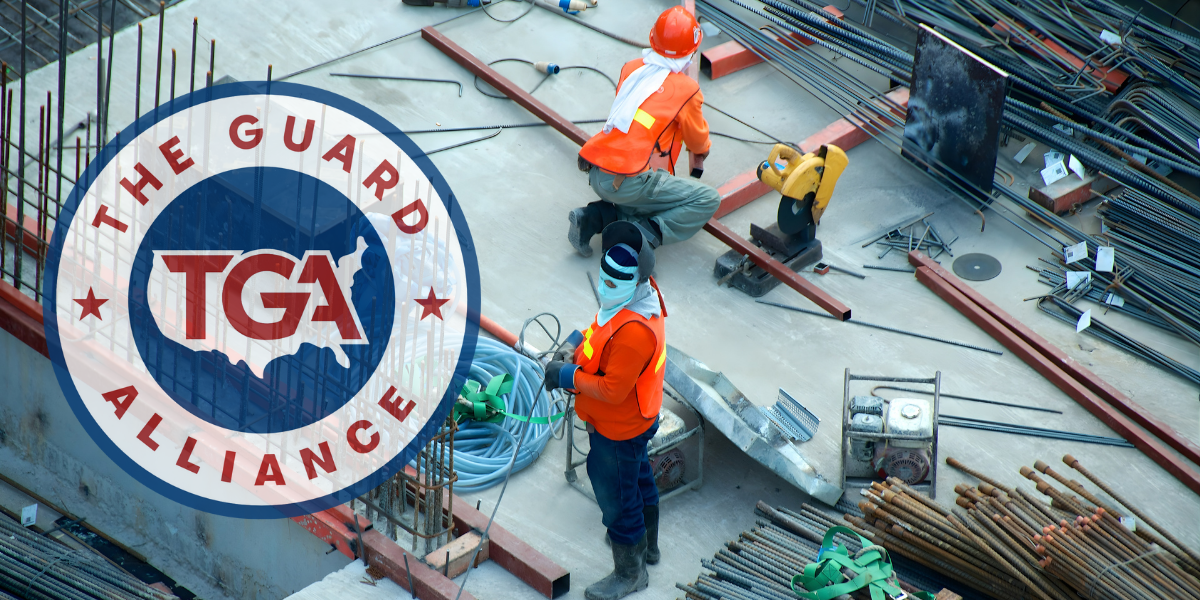
As construction and renovation activity begins its annual surge across the United States in 2026, physical site security has emerged as a key priority for project managers and property owners. While traditional safety planning focuses on worker protection and OSHA compliance, professional security guards are increasingly recognized as essential to safeguard sites against theft, fire hazards, and critical emergencies. Proactive security, including regular patrols and fire watch duties, is now integral to overall project risk management and continuity.
U.S. news stories from 2025 highlight why this issue requires a fresh approach from decision-makers in 2026. Late last year, a construction crew-related gas line explosion in Hayward, California, ignited a three‑alarm fire and injured at least six people, prompting a major emergency response and underscoring the dangers of unplanned incidents on or near work sites. Nationwide reporting indicates that construction site theft remains widespread across the U.S., costing projects tens of thousands of dollars when tools, materials, or equipment are stolen. These events reinforce the multifaceted threats modern job sites face.
While technology such as cameras and remote sensors plays an important role, human presence remains one of the most effective deterrents to theft and enables a faster initial response in emergencies. Here’s why robust on‑site security is indispensable in 2026:
Key Benefits of On‑Site Security
- Theft and Vandalism Prevention: Construction job-sites house expensive tools, machinery, and materials that are easy targets for thieves. Visible security guards and scheduled patrols deter unauthorized access and discourage opportunistic crime.
- Fire Watch and Safety Monitoring: During phases when fire suppression systems are incomplete or disabled (e.g., during renovation), trained personnel can perform fire watch duties, spotting early signs of smoldering or unsafe hot-work conditions before they escalate into full‑blown fires.
- Emergency Response Coordination: Guards often serve as first responders to incidents ranging from medical emergencies to fires, quickly coordinating with local fire and police units to minimize harm.
- Liability and Compliance: Many local regulations and insurance policies require explicit site security measures; failing to implement them can lead to fines, delays, or denied claims when incidents occur.
Best Practices for Construction Site Security in 2026
To build an effective security strategy, project leaders should consider:
- Layered Security Approach: Combine on‑site guards with perimeter fencing, lighting, and surveillance technology for full coverage day and night.
- Regular Patrols: Establish ROTATING and unpredictable patrol schedules to reduce vulnerability during off‑hours and weekends.
- Fire Watch Protocols: Assign fire watch personnel, especially during phases involving hot work (welding, cutting) or when alarm systems are inactive.
- Emergency Training: Ensure guards are trained in basic first aid, fire extinguisher use, and emergency communication procedures.
- Clear Access Control: Use sign‑in stations, credential checks, and visitor logs to track who enters and leaves the construction site.
In 2026, safeguarding construction and renovation projects means protecting people, assets, and schedules. With rising theft and fire risks, an on‑site security strategy anchored by trained security guards is no longer just recommended; it’s indispensable.
Contact The Guard Alliance
Our security and fire watch experts benefit from 15 years of combined field experience. Since 2010, The Guard Alliance and our sister company, National Firewatch, have been proud to safeguard America’s jobsites from hazards and security breaches. We highly recommend reviewing your on-site security as part of your overall risk management overview for the year ahead. When you need on-site guards in a hurry, be sure to give us a call.