
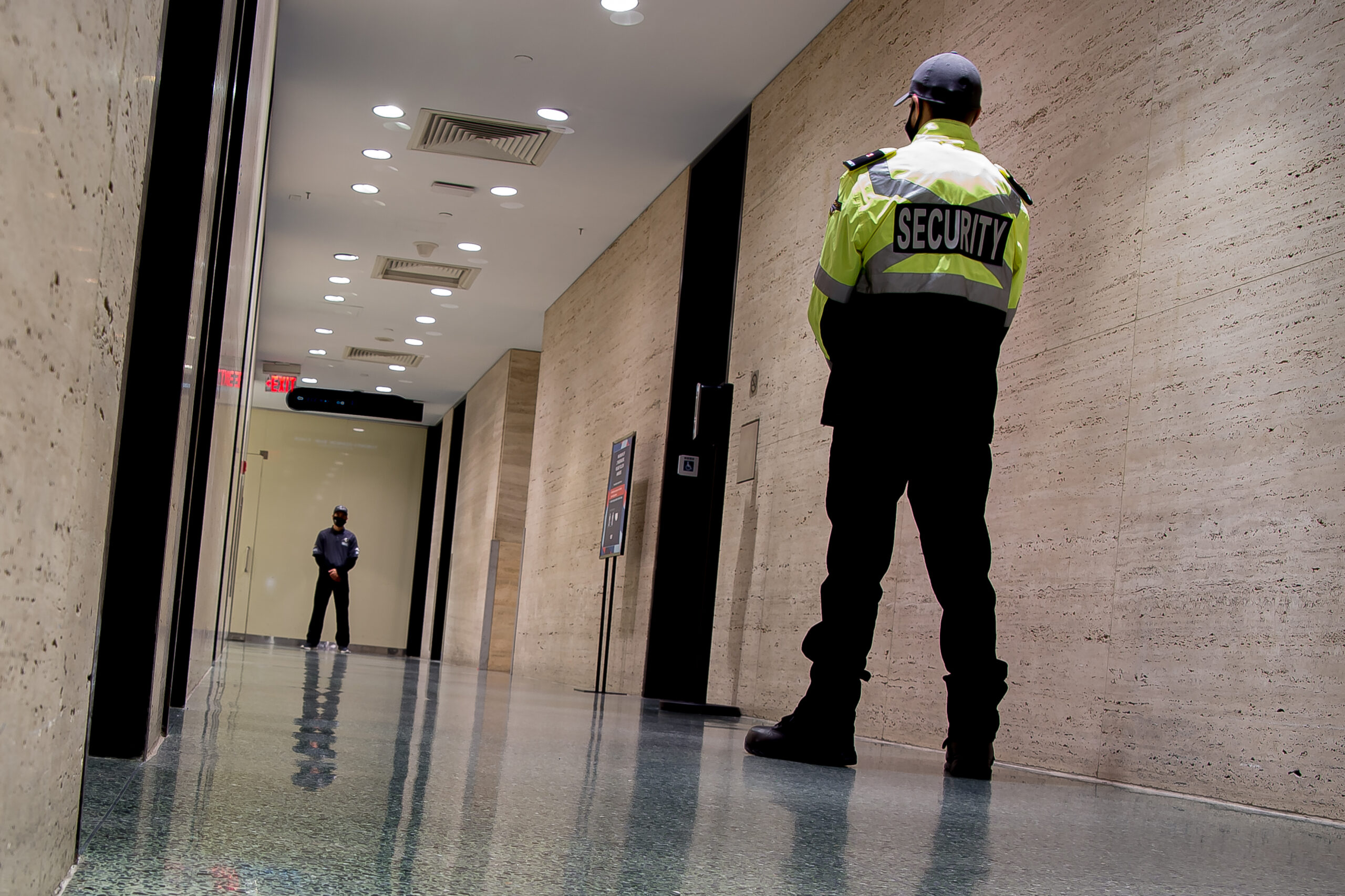
Hiring security guards is one of the most important safety decisions a property manager can make. Whether you manage a residential community, HOA, or condo complex, a well-structured security contract helps ensure the property receives reliable protection and professional service.
In 2026, expectations for security providers continue to evolve. Property managers are looking beyond basic patrol services and focusing on accountability, training, and emergency preparedness. A clear contract sets those expectations from the start and protects both the property and the vendor relationship.
Why Security Contracts Matter for Residential Properties
Many property managers assume a security contract simply defines hours of coverage and pricing. In reality, it should do much more. A strong contract establishes service standards, outlines responsibilities, and ensures that the security company can handle situations that commonly arise in residential communities.
These situations may include:
- Trespassing and unauthorized visitors
- Noise complaints and disturbances
- Package theft or property crime
- Parking enforcement
- Emergency response and evacuation support
- Temporary coverage for fire watch situations
Without clear expectations, property managers may face inconsistent service or communication gaps when incidents occur. Experienced and professional security guard companies will press for info about your job site to ensure guards in the field can best serve your team. By being specific and detailed about your needs up front, you can set clear expectations to ensure your security vendor is up to the task and liable if incidents occur.
Key Elements Property Managers Should Require
When reviewing a security vendor contract, property managers should focus on the operational details that impact safety and reliability.
Here are several provisions worth including in any agreement:
Clear post orders
Post orders describe exactly what security guards are responsible for during their shift. This may include patrol routes, reporting procedures, and emergency protocols.
Training and licensing requirements
The contract should confirm that guards meet all state licensing requirements and receive training appropriate for residential security.
Incident reporting procedures
Security providers should document incidents in a standardized format and share reports with property management.
Defined response expectations
Contracts should specify how guards handle emergencies, suspicious activity, and resident complaints.
Staffing guarantees
Reliable vendors should outline how they cover call-outs and prevent missed shifts.
Specialized coverage options
Some properties may require armed guards for higher-risk situations or temporary fire watch coverage when fire safety systems are offline.
For property managers, these provisions help create consistency across shifts and ensure guards understand the expectations of the property. Be aware of all stakeholder expectations, and communicate them to all on-site vendors in advance to ensure smooth deployments.
Industry Trends Shaping Security Contracts in 2026
Recent developments across the security industry show why property managers are paying closer attention to vendor standards and contract terms.
Workplace safety rules are evolving, particularly for employees who face potential violent incidents. The Occupational Safety and Health Administration has proposed updates to emergency response and workplace violence protections that affect security personnel and other high-risk occupations. These standards emphasize training, planning, and documented safety procedures that security vendors must follow.
Crime trends also continue to influence how residential communities approach security. According to the FBI’s latest Crime in the Nation data release, property crimes such as burglary and theft remain among the most frequently reported offenses in the United States. Many property managers have responded by expanding patrol coverage and strengthening on-site monitoring.
Cities are increasingly turning to private security to supplement public safety resources. A recent report from NBC New York noted that private security officers continue to play a growing role in supporting safety efforts across transit systems and other high-traffic locations. The trend reflects broader demand for professional security services in both public and residential spaces.
Together, these developments are pushing property managers to look more closely at vendor qualifications and contract terms.
Questions Property Managers Should Ask Before Signing
Before finalizing a security agreement, property managers should take time to review the vendor’s capabilities and expectations.
Important questions include:
- How are guards trained for residential environments?
- How quickly are incident reports delivered?
- What happens if a scheduled guard calls out?
- Does the company provide supervisors or field inspections?
- Can the company support emergency services like fire watch if needed?
These conversations help ensure the vendor understands the property’s needs and can deliver consistent service.
Final Thoughts
Security services play an important role in maintaining safe residential communities. For property managers overseeing condos, HOAs, and residential buildings, a detailed contract helps ensure security providers meet clear performance standards.
By focusing on training, reporting, staffing reliability, and emergency response capabilities, property managers can build strong vendor relationships and create safer environments for residents. In 2026, the most effective security partnerships begin with clear expectations and well-structured contracts.