
- Record Storms and Rising Public Safety Demands
- Traffic Collisions and Emergency Response Under Strain
- Historical Patterns: Disasters and Crime in California
- The Broader Security Impacts of Extreme Weather
- Contact The Guard Alliance
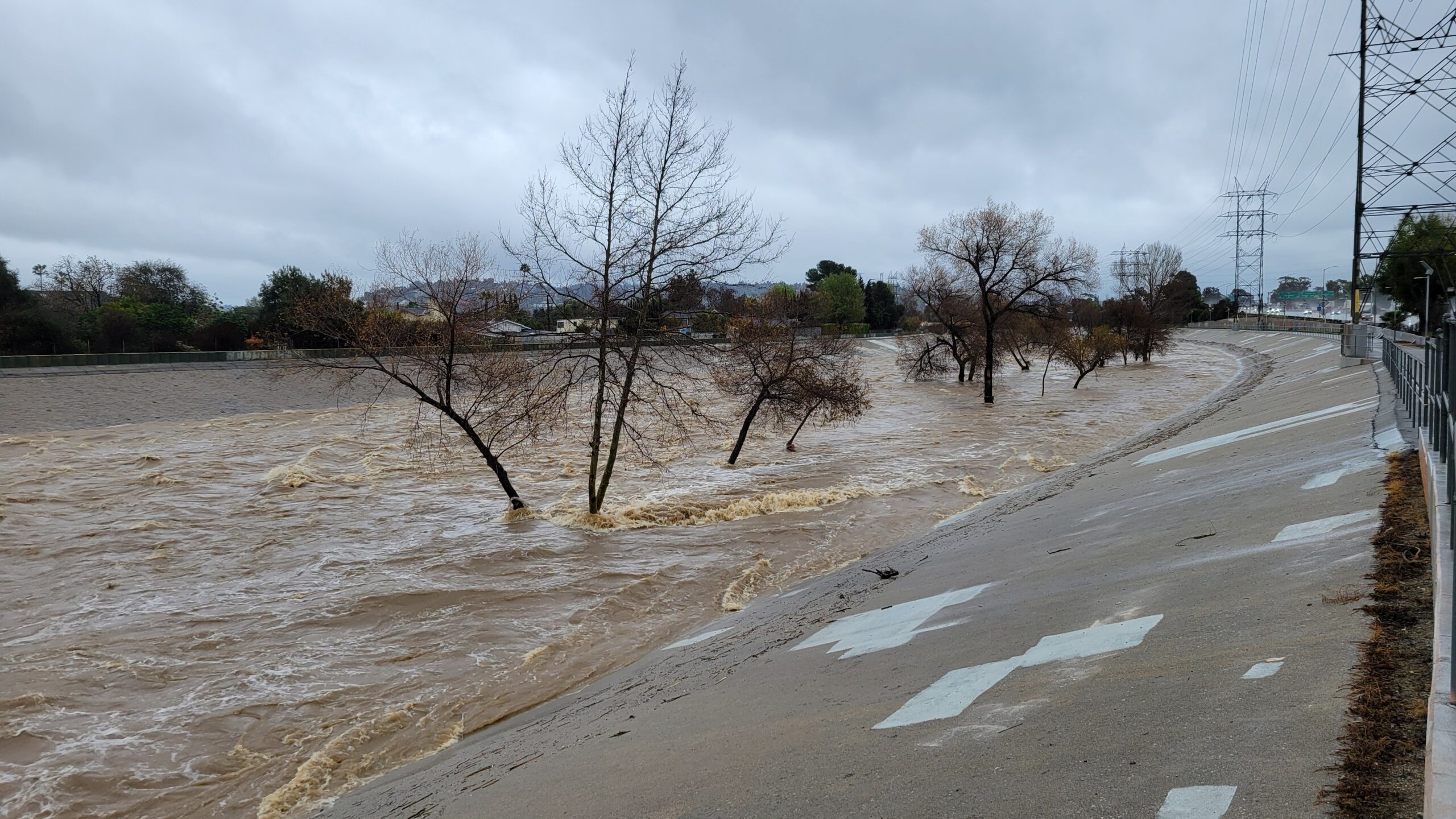
What should be a festive season has become a full-blown emergency for residents and public safety officials alike. Across California, December 2025 has been defined by extreme weather events that are straining public safety systems, threatening infrastructure, and prompting urgent security concerns from San Diego to Redding. Powerful atmospheric rivers, flooding, mudslides, and storm‑related outages are reshaping how authorities and communities think about resilience.
Over the Christmas holiday week, our home state experienced an intense atmospheric river that brought record rainfall across Southern California, resulting in widespread flash flooding and mudflows—particularly in mountainous areas previously scarred by wildfires. In Wrightwood and the Angeles National Forest areas east of Los Angeles, muddy torrents filled roads and inundated properties, forcing evacuations and rescue operations.
These extreme conditions are not just meteorological events—they have direct public safety and security implications:
Record Storms and Rising Public Safety Demands
In many impacted cities, states of emergency have been declared to unlock additional resources. Governor Gavin Newsom’s proclamation for several counties—including Los Angeles, Riverside, and San Diego—allows the California Office of Emergency Services to coordinate relief and response across jurisdictions.
The storm’s ferocity has forced officials to issue mandatory evacuation orders in parts of Orange County and other burn‑scar areas, where mudslides could strike without warning. Orange County Evacuations present unique security concerns: law enforcement and emergency responders must balance public safety, traffic control, and the protection of homes and property.
Traffic Collisions and Emergency Response Under Strain
Law enforcement agencies, particularly in Los Angeles, were overwhelmed with calls related to flooding, traffic, and emergency assistance. In just 24 hours, the LAPD responded to more than 350 traffic collisions attributed to heavy rain and hazardous road conditions.
This volume of incidents strains emergency response systems. Officers are pulled from regular patrols to direct traffic, assist with rescues, and support evacuations—which can increase vulnerabilities in other parts of the city.
Infrastructure has also suffered. In the Bay Area, electrical issues forced the temporary closure of the Caldecott Tunnel, a critical artery, raising concerns about how the weather can compromise essential transportation and safety systems.
Historical Patterns: Disasters and Crime in California
Thankfully, no widespread looting or spikes in crime have been confirmed during the December 2025 storms. Past disasters, unfortunately, have shown that extreme events often correlate with increased security threats.
In early 2025, during Southern California’s wildfire crisis, law enforcement reported arrests for looting and unauthorized access in evacuation zones. In response, Governor Newsom deployed additional California Highway Patrol officers to protect affected areas and deter criminal activity.
This pattern underscores the need for disaster-ready law enforcement planning not only for physical safety but also for protecting unattended properties and maintaining public order. In communities stretched thin by extreme weather, business owners and facility managers may need to invest in on-site response to minimize threats to staff and property.
The Broader Security Impacts of Extreme Weather
The December storms in California highlight a broader trend: extreme weather events are increasingly intersecting with public safety and security planning. Emergency management agencies are adapting to a future in which weather patterns can trigger simultaneous hazards: flooding, power loss, transportation shutdowns, and evacuation requirements, each requiring coordinated security responses.
As California continues to link extreme swings: from droughts and wildfires to floods and climate change, officials are under pressure to invest in infrastructure resilience and emergency response capabilities to handle compound hazards.
Contact The Guard Alliance
Our headquarters is proudly located in Concord, CA, outside of San Francisco, and our offices across the state are already fielding guard teams in response to weather-related security concerns. If your team is reassessing your on-site security in response to the extreme weather in California, contact The Guard Alliance for same-day deployments today.